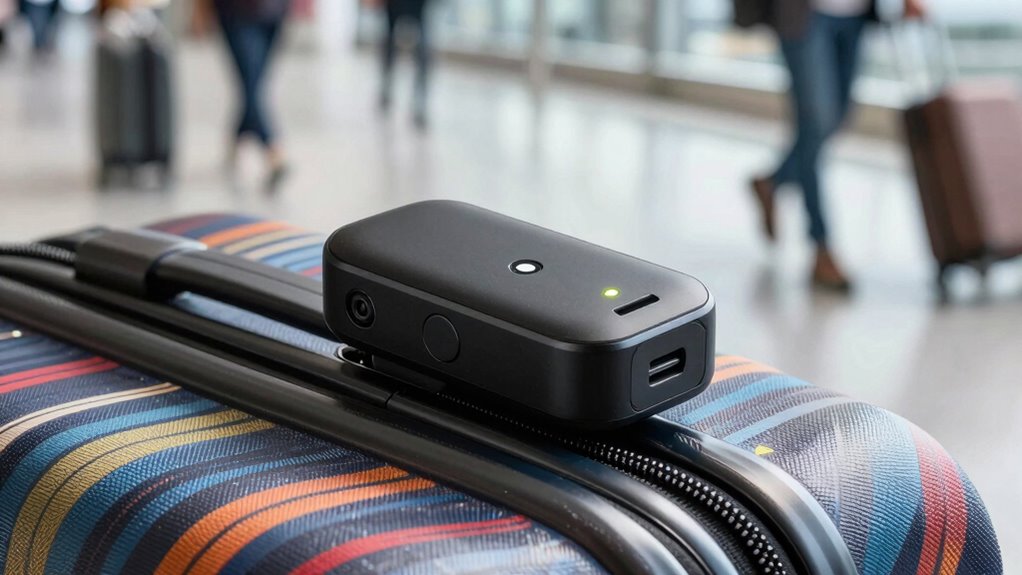
To use luggage trackers professionally, set them up before your trip by choosing a device suited to your travel style, ensuring it’s securely attached in an unobstructed spot, and testing its signal and battery life. Keep it charged and updated, and sync it with your travel apps for seamless monitoring. Regularly check its status during transit and troubleshoot any issues promptly. Stay proactive — the next steps will guide you to mastering your luggage tracker use.
Key Takeaways
- Choose a durable, easily accessible spot inside your luggage for secure, reliable signal reception.
- Test tracker functionality and signal strength in various environments before travel.
- Fully charge and keep firmware updated to ensure continuous, accurate tracking during transit.
- Enable notifications for low battery, movement, and connectivity issues for proactive management.
- Sync tracker data with travel apps and share real-time updates to enhance luggage security.

Apple AirTag (1st Generation) – 4 Pack. Keep Track of and find Your Keys, Wallet, Luggage, Backpack, and More. Simple one-tap Set up with iPhone or iPad, Bluetooth
Keep track of and find your items alongside friends and devices in the Find My app
As an affiliate, we earn on qualifying purchases.
As an affiliate, we earn on qualifying purchases.
Why It’s Important to Set Up Your Luggage Tracker Before Traveling
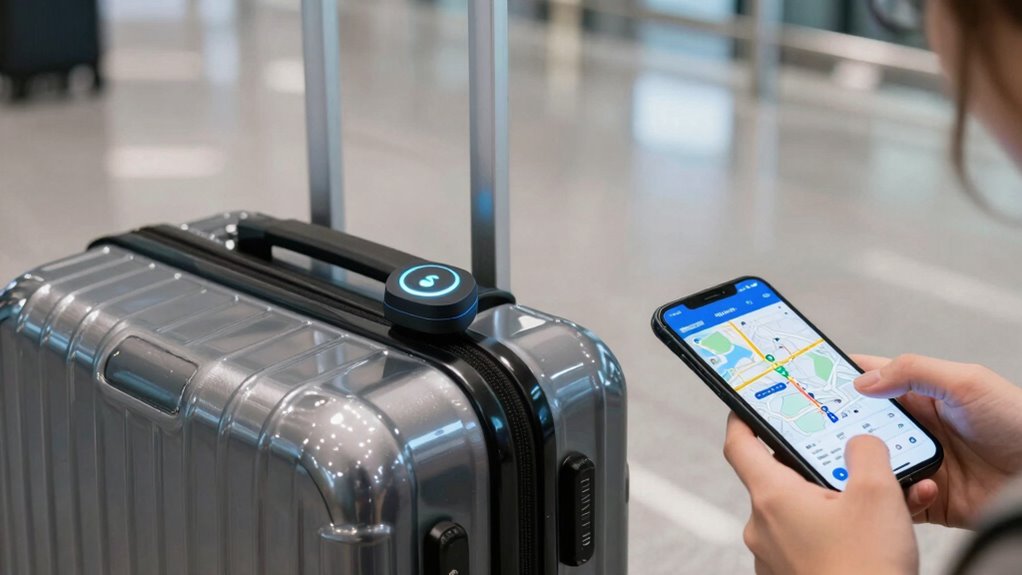
Setting up your luggage tracker before traveling is essential because it guarantees you’re prepared in case your bags get lost or delayed. Ensuring luggage security is a key part of travel preparation, giving you peace of mind throughout your trip. When you activate your tracker beforehand, you can monitor your bags’ location in real-time, avoiding unnecessary stress if they go off-route. This proactive step helps you recover your luggage faster and reduces the risk of loss. Properly setting up your device also means you’re ready to act immediately if issues arise, saving time and hassle. Additionally, understanding the importance of tracking technology can help you choose the most effective device for your needs. Ultimately, a well-prepared luggage tracker is a vital tool for safeguarding your belongings and making your travel experience smoother and more secure.
Apple AirTag (1st Generation) – 4 Pack. Keep Track of and find Your Keys, Wallet, Luggage, Backpack, and More. Simple one-tap Set up with iPhone or iPad, Bluetooth
Keep track of and find your items alongside friends and devices in the Find My app
As an affiliate, we earn on qualifying purchases.
As an affiliate, we earn on qualifying purchases.
How to Choose the Best Luggage Tracker for Your Travel Style
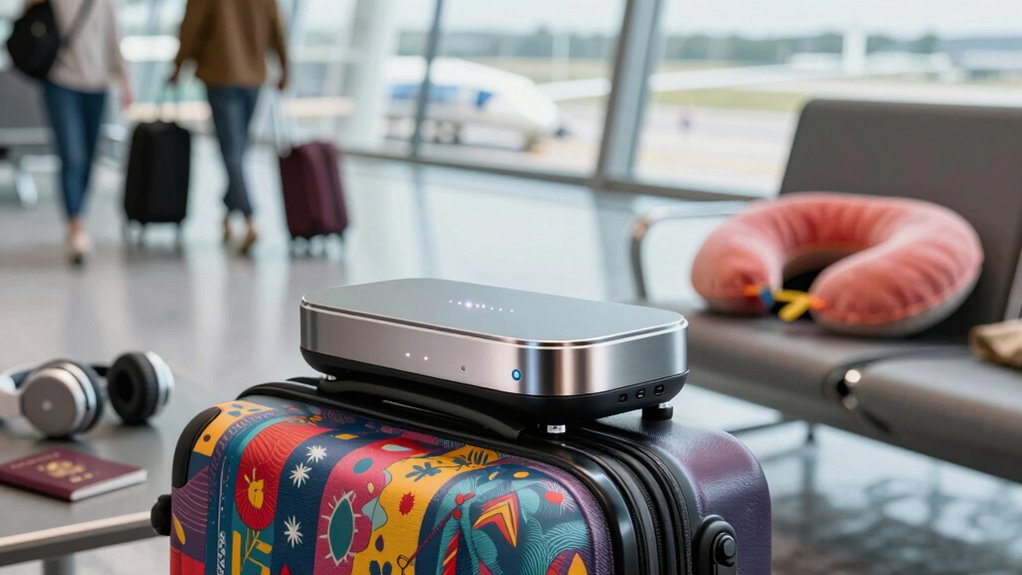
Choosing the right luggage tracker depends on your travel habits and personal preferences. If you often travel with heavy luggage, look for a tracker that’s durable and lightweight enough not to add extra luggage weight. Consider whether you want real-time GPS tracking or basic location alerts, as this impacts price and features. If you rely on travel insurance, ensure the tracker’s coverage aligns with your policy, offering extra security in case your luggage gets lost. Think about ease of use—some trackers are simple to set up, while others require more technical steps. Your travel style influences battery life needs as well; frequent travelers benefit from long-lasting devices. Additionally, understanding the smart features of a tracker can help you maximize its benefits and integrate it seamlessly into your travel routines. Ultimately, selecting a tracker tailored to your habits helps prevent losing bags and gives peace of mind during your trips.

Air Tracker -4 Pack, 2026 New Bluetooth Tracker Tags, Android Tracker Tags Work with Google Find Hub Device App, Bluetooth Luggage Tracker for Keys, Backpack,Suitcase,Travel
【ADVANCED TECHNOLOGY】The Android version is a Google Certified Item Finder that works with the “Google Find Hub Device…
As an affiliate, we earn on qualifying purchases.
As an affiliate, we earn on qualifying purchases.
Attaching and Setting Up Your Luggage Tracker Made Easy
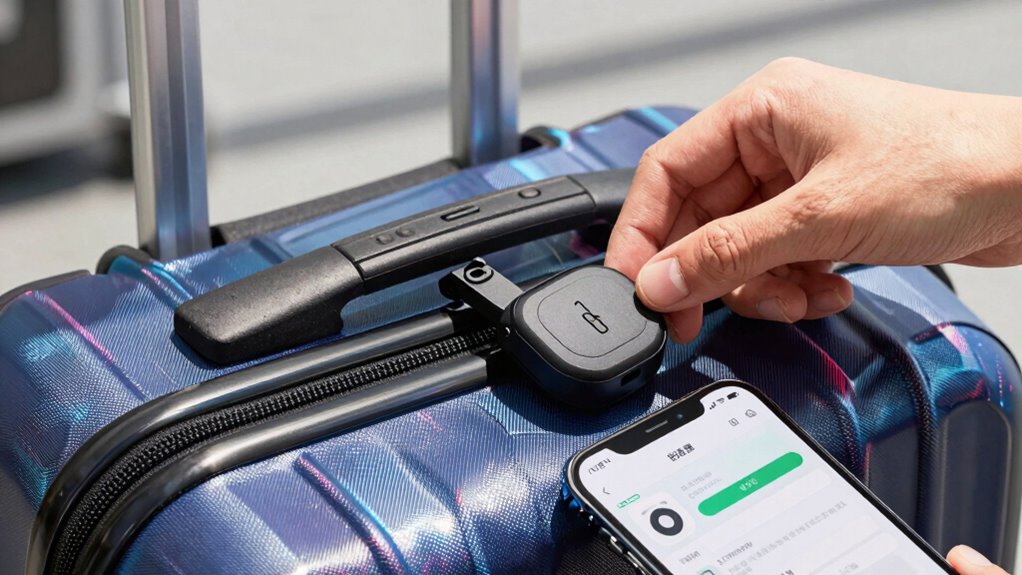
To get started, choose a secure spot on your luggage that’s unobstructed for the tracker’s signal. Next, follow the simple activation steps in the manual to pair your device with your phone. Once set up, you’re ready to keep track of your luggage effortlessly. Incorporating digital frames or interactive murals into your travel accessories can also help you stay organized and add a touch of style to your packing process.
Choosing the Right Spot
Finding the best spot to attach your luggage tracker is essential for reliable tracking and easy access. Start with placement tips that guarantee your device stays secure and functions properly. The ideal locations include inside a side pocket, beneath the handle, or tucked into a zipper compartment—areas less likely to be disturbed during transit. Avoid placing the tracker on the exterior surface where it can be easily damaged or stolen. Make sure it’s firmly attached, so it doesn’t fall off during handling. Consider the size and shape of your luggage to find a discreet yet accessible spot. Proper placement not only protects the tracker but also ensures consistent signal reception, helping you monitor your bag’s location at all times. Additionally, choosing a secure storage location minimizes the risk of theft and damage, ensuring your luggage tracker remains functional during your travels.
Easy Activation Steps
Getting your luggage tracker up and running is straightforward when you follow a few simple steps. First, confirm your device is compatible with your smartphone or tablet. Next, attach the tracker securely to your luggage using the provided methods. Finally, download the necessary app, create an account, and pair your device, paying attention to data privacy settings. Ensuring your device’s connectivity features are enabled helps maintain a reliable connection between your tracker and your device.
Here are the easy activation steps:
- Check device compatibility before purchasing or pairing
- Attach the tracker securely to your luggage
- Set up the app and configure privacy settings for your data

Samsung Galaxy SmartTag2, Bluetooth Tracker, Smart Tag GPS Locator Tracking Device, Item Finder for Keys, Wallet, Luggage, Pets, Use w/ Phones and Tablets Android 11 or Later, 2023, 1 Pack, Black
REDESIGNED TO DO MORE: The redesigned Galaxy SmartTag2 is made so you can keep calm and keep track;…
As an affiliate, we earn on qualifying purchases.
As an affiliate, we earn on qualifying purchases.
How to Test Your Luggage Tracker Before You Travel
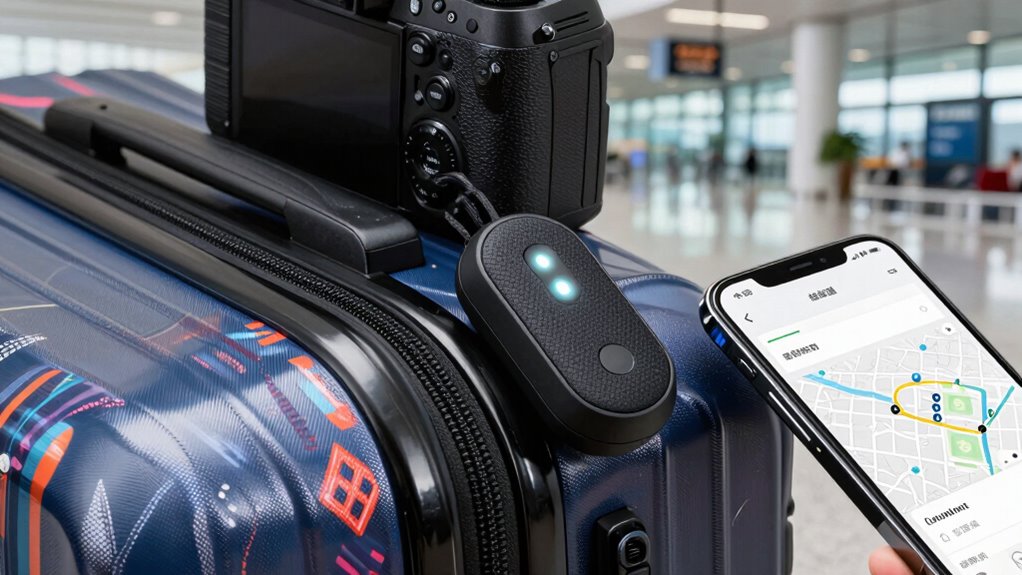
Before your trip, it’s important to test your luggage tracker to guarantee it works properly. Start by checking that the device is powered on and responds to your app. Then, verify the app functions correctly and conduct a signal test to confirm reliable tracking. Additionally, review the device’s battery life to ensure it won’t shut down unexpectedly during your travels.
Check Device Power Status
To make certain your luggage tracker is ready for your trip, you should verify that it has sufficient power. Checking the device’s battery life ensures it can last through your journey. A quick test can prevent surprises at the airport. First, confirm the device is fully charged or has fresh batteries. Next, verify that it’s compatible with your smartphone or tracking app to avoid connectivity issues. Ultimately, observe the indicator lights or app notifications that show the power status. If the tracker’s battery is low, recharge or replace it beforehand. Ensuring proper device compatibility and sufficient power helps you rely on the tracker to keep tabs on your luggage throughout your trip. Additionally, understanding your device’s flywheel and engine upgrades can improve its overall performance and reliability, making sure it remains operational when you need it most.
Verify App Functionality
How can you make certain your luggage tracker’s app is working properly before your trip? First, check app compatibility with your device’s operating system. Open the app and inspect the user interface—ensure buttons are responsive and maps load correctly. Test the notification settings to confirm alerts work. To visualize, consider this table:
| Step | What to Check | Why |
|---|---|---|
| Update the app | Latest version installed | Fixes bugs, improves performance |
| Sync with tracker | Device connects successfully | Ensures accurate location reporting |
| Test notifications | Receive test alerts | Confirms alert functionality |
| Review interface | Clear, user-friendly design | Easy navigation during travel |
Running these tests guarantees the app functions smoothly, so you’re ready before departure. A reliable connection between your device and the tracker is essential for accurate updates.
Conduct Signal Test
Testing your luggage tracker’s signal strength is essential to guarantee it can communicate effectively during your trip. You want to ensure it connects reliably through potential signal interference, especially in busy airports or urban areas. Conduct the test before packing to check if the tracker maintains a strong signal and assess its battery longevity. Weak signals or rapid battery drain indicate issues that need addressing beforehand. Additionally, practicing positive intentions for your travel can help foster a spiritual awakening and strengthen your connection to your journey.
- Place the tracker in different locations within your luggage to check signal consistency
- Move around the airport or a similar environment to identify potential signal interference
- Monitor battery life during the test to ensure it lasts through your trip and replace or recharge if needed
How to Keep Your Luggage Tracker Charged and Up-to-Date
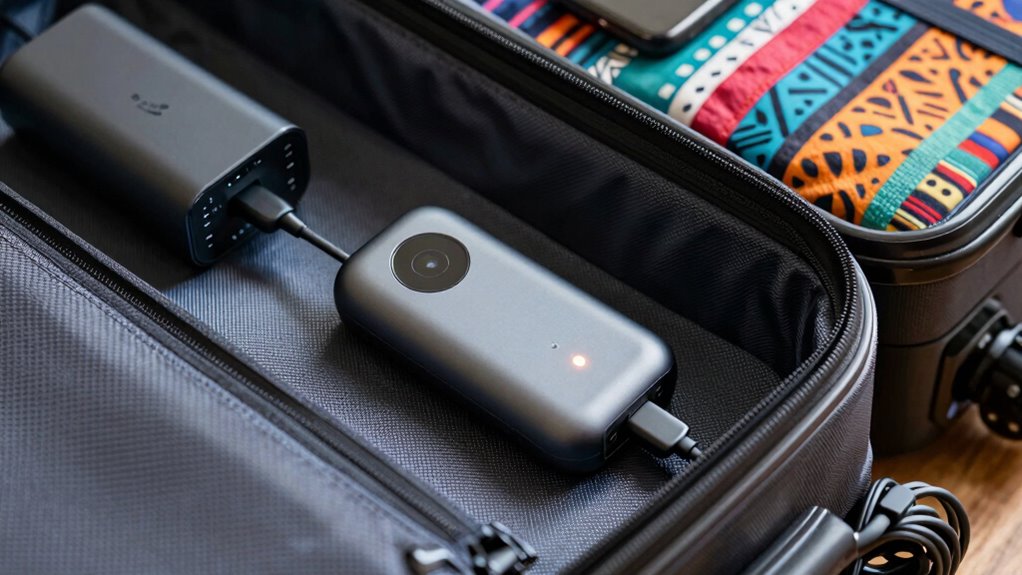
Keeping your luggage tracker charged and up-to-date is essential to guarantee it functions reliably when you need it most. To prolong its battery lifespan, avoid letting the battery drain completely, and recharge it regularly. Many trackers have rechargeable batteries; ensure you connect them to power when prompted. Staying current with firmware updates is equally important, as these often improve performance, fix bugs, and add features. Check the manufacturer’s app or website periodically for updates, and install them promptly. Proper maintenance ensures your tracker remains responsive and accurate. Additionally, consider enabling notifications for low battery alerts, so you’re always aware when it needs a recharge. Regularly inspecting your device and understanding Soul Sanctuaries can help you better care for your tech gear. Keeping your device in good condition guarantees peace of mind, especially during critical moments of travel.
How to Track Your Luggage During Transit
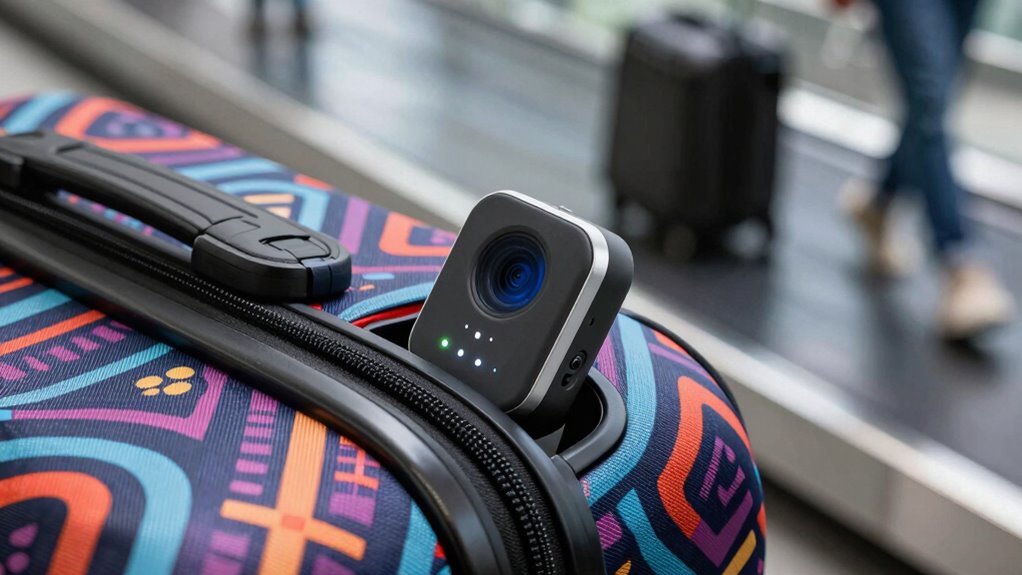
Tracking your luggage during transit is straightforward when you use a GPS-enabled luggage tracker. To guarantee a smooth journey, check the baggage policies of your airline so your tracker isn’t considered dangerous or a prohibited item. Always keep your tracker powered and connected for real-time updates. Follow these security tips to protect your data and device from theft or hacking.
Use a GPS luggage tracker, stay connected, and follow airline policies for a hassle-free travel experience.
Here’s how to stay on top of your luggage:
- Regularly check the tracker’s app for live location updates during transit
- Confirm your baggage complies with airline policies to avoid delays or confiscation
- Keep your tracker charged and within range of your phone or Wi-Fi
Troubleshooting Your Luggage Tracker: Common Problems & Fixes
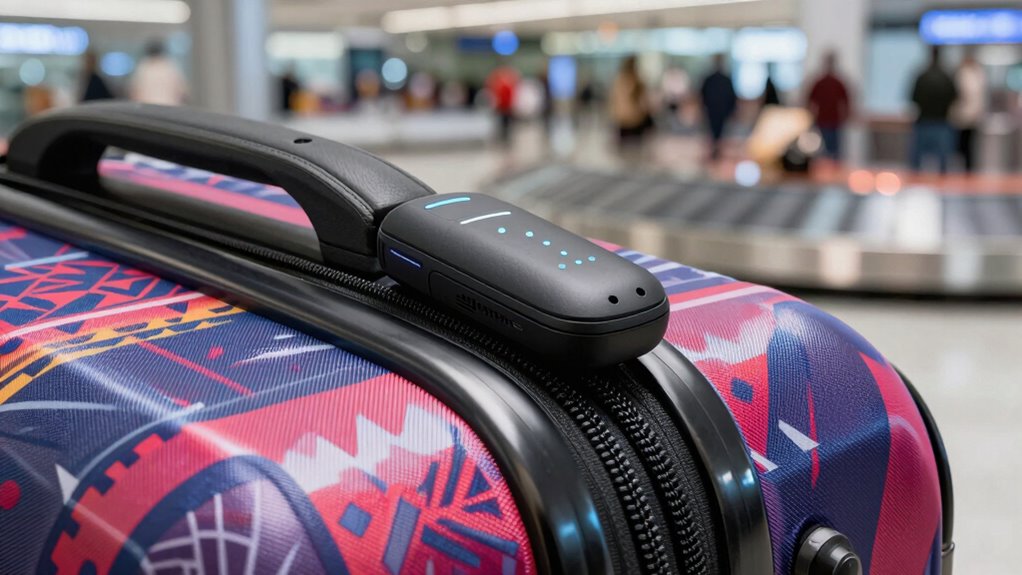
Sometimes your luggage tracker may stop working unexpectedly, leaving you without real-time updates. If that happens, start with the basics: check the battery. A dead or weak battery often causes malfunction. Replace the battery if needed, following the manufacturer’s instructions. Next, update the firmware to ensure your device runs smoothly and fixes bugs. Firmware updates can resolve connectivity issues and improve accuracy. Also, make sure your tracker is within Bluetooth or GPS range. If problems persist, try restarting the device or resetting it to factory settings. Here’s a quick troubleshooting guide:
| Problem | Fix | Notes |
|---|---|---|
| No location updates | Battery replacement or firmware update needed | Check connection range |
| Tracker not syncing | Restart device or reset to factory settings | Ensure app permissions are granted |
| Device unresponsive | Perform firmware update or replace battery | Contact support if issues continue |
How to Use Your Tracker Data With Travel Apps and Airlines
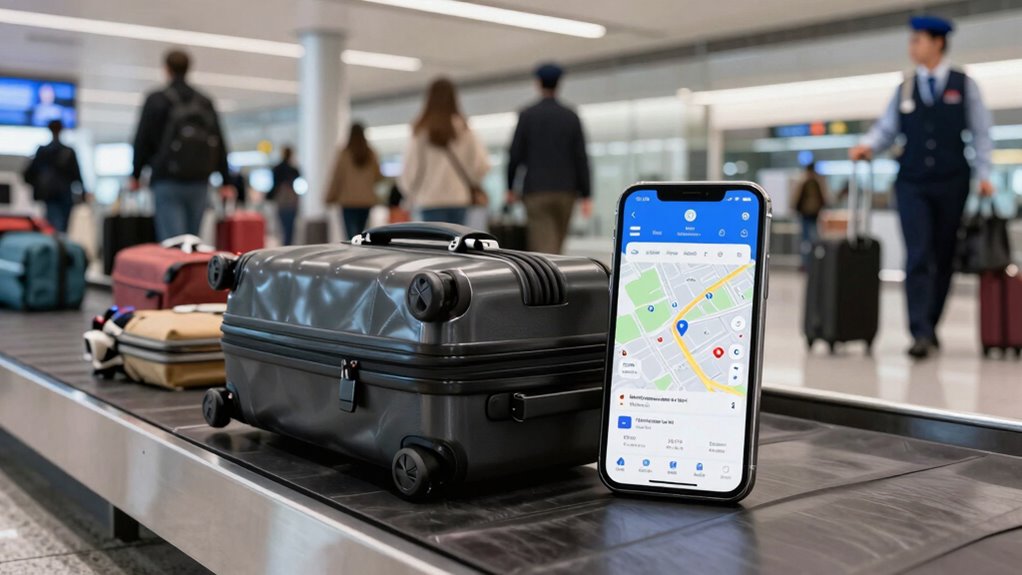
Integrating your luggage tracker data with travel apps and airline systems can streamline your journey and reduce the risk of lost luggage. By sharing real-time location updates, you enhance luggage security and quickly address any issues. Many travel apps allow you to sync your tracker, giving airlines instant access to your bag’s whereabouts, which can expedite recovery if it’s misplaced. This integration also helps you stay informed and provides proof of your luggage’s location for travel insurance claims if necessary. To maximize benefits, consider these steps:
- Link your tracker app with airline baggage tracking systems.
- Enable notifications for any luggage movement or delays.
- Keep your travel insurance informed of your tracker data for added coverage.
These practices keep your luggage safe and ensure smoother travel.
Frequently Asked Questions
Can Luggage Trackers Detect if My Bag Has Been Opened?
Luggage trackers typically can’t detect if your bag has been opened directly. However, they enhance bag security and theft prevention by providing real-time location updates, so you’ll know if your bag moves unexpectedly. Some trackers include tamper alerts that notify you if the bag’s seal is broken or opened, adding an extra layer of security. Using these features helps you stay aware and protect your belongings during travel.
Are Luggage Trackers Waterproof and Weather-Resistant?
Think of luggage trackers like sturdy umbrellas—designed to withstand rain and wind. Most are built with waterproof durability and weather resistance, so they won’t falter in rain or snow. For example, I once had a tracker survive a sudden downpour on a trip, keeping my luggage safe. Always check product specs, but generally, these trackers are reliable for all weather conditions, giving you peace of mind during your travels.
How Secure Is My Data When Using a Luggage Tracker?
Your data stays secure with luggage trackers because they use strong data encryption, which protects your information from unauthorized access. Additionally, you should review the privacy policies of the tracker brand to make certain they don’t share your data without permission. Always choose reputable brands that prioritize user privacy, and regularly update your app to benefit from the latest security features. This way, your personal info remains safe while tracking your luggage.
Can Multiple Family Members Access the Same Luggage Tracker Information?
Did you know that 65% of travelers share luggage tracker access with family? Yes, multiple family members can usually access the same luggage tracker by setting up family sharing or device permissions. This allows everyone to track the bag’s location, enhancing coordination and security. Just verify you configure permissions properly to prevent unauthorized access, making your family’s travel experience smoother and more synchronized.
What Should I Do if My Luggage Tracker’s Battery Dies During Transit?
If your luggage tracker’s battery dies during transit, don’t panic. You should replace the battery promptly to restore tracker functionality. Check if your device supports battery replacement or if it’s a sealed unit—then consider upgrading for better tracker longevity. To avoid future issues, choose trackers with long-lasting batteries and replace them before long trips. Regular maintenance guarantees your tracker stays active and reliable, preventing lost luggage surprises.
Conclusion
By setting up your luggage tracker before you travel, you greatly reduce the chances of losing your bags—did you know that 21 million luggage pieces are mishandled worldwide each year? Staying proactive ensures peace of mind and smoother journeys. Regularly testing and updating your tracker keeps it reliable, so you can focus on enjoying your trip instead of worrying about lost luggage. Invest a little time now, and travel with confidence every time.