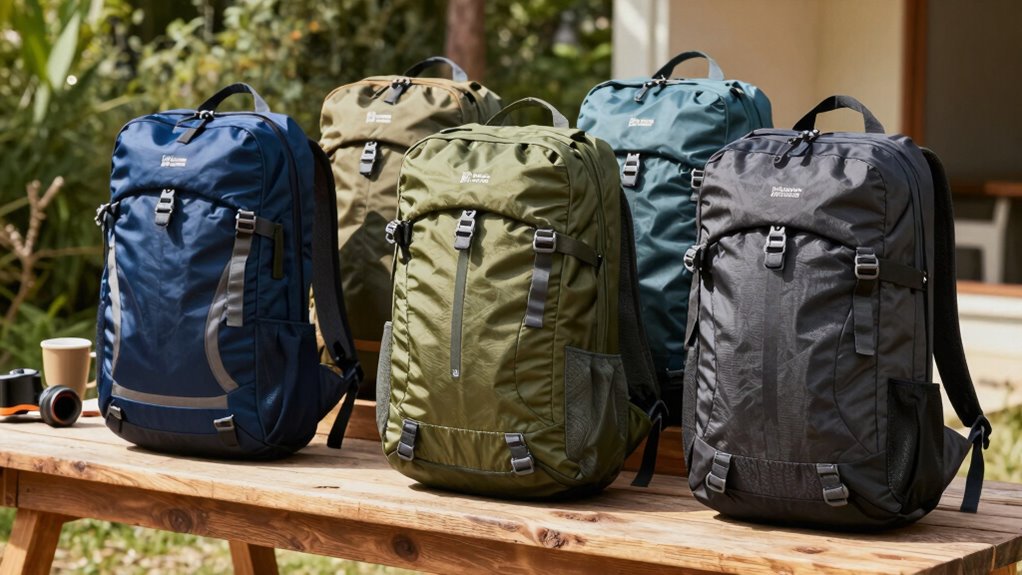
To pick a travel backpack that doesn’t feel like a boulder, focus on lightweight materials like ripstop nylon or Dyneema®, and choose a size suited to your trip. Make certain adjustable, padded straps and a support panel match your body, distributing weight evenly. Organize wisely with packing cubes and avoid overloading. Proper fit and packing technique make a huge difference. Keep an eye on quality and ergonomics—continue exploring to find the perfect balance for your travels.
Key Takeaways
- Choose a backpack with adjustable, padded straps and ergonomic design to evenly distribute weight and prevent back strain.
- Opt for lightweight, durable materials like ripstop nylon or ballistic nylon to reduce overall weight.
- Select a size and capacity appropriate for your trip length, avoiding overpacking and bulky items.
- Use packing cubes and rolling techniques to organize efficiently and minimize unnecessary weight.
- Prioritize fit and comfort features such as padded lumbar support and ventilated back panels for extended wear.
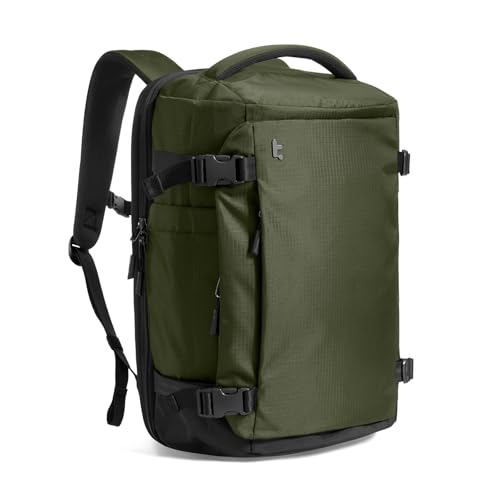
tomtoc Travel Backpack 28L, TSA Friendly Flight Approved Carry-on Luggage, Personal Item Travel Bag, Water-Resistant Lightweight Business Rucksack, Durable Bag Fits 16 Inch Laptop
Travel-Ready Capacity: With a streamlined 28L volume, this Navigator-T66 Liteway travel backpack is perfect for short trips or…
As an affiliate, we earn on qualifying purchases.
As an affiliate, we earn on qualifying purchases.
What Makes a Travel Backpack Comfortable and Lightweight?
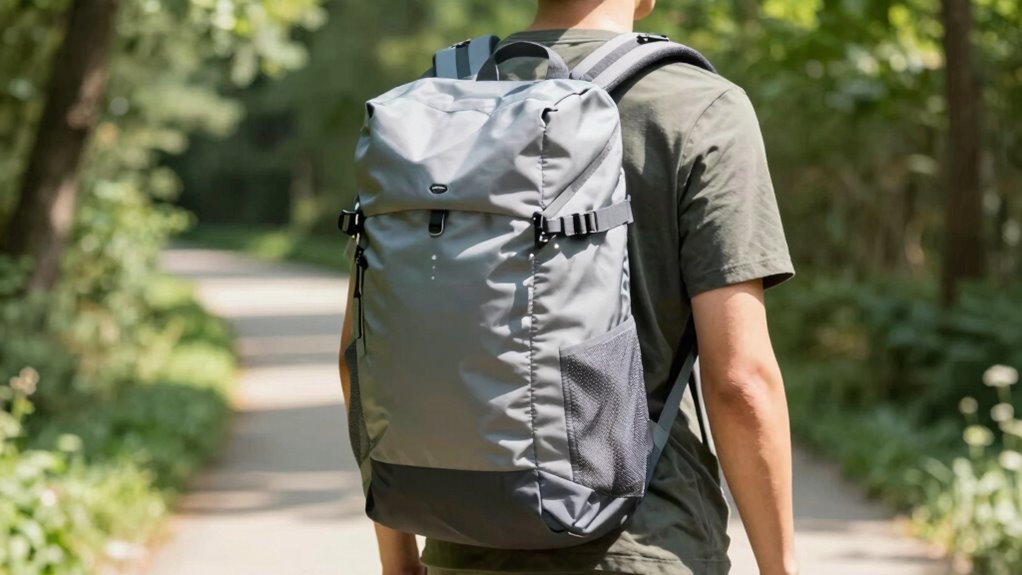
A comfortable and lightweight travel backpack begins with thoughtful design choices that prioritize your ease of movement. When selecting a backpack, consider design considerations like how well it distributes weight and the materials used to keep it lightweight without sacrificing durability. The aesthetic appeal also plays a role, as a sleek, simple look can boost your confidence and motivation while traveling. Look for streamlined shapes that avoid bulky, unnecessary features, which can add weight. Padded straps and a supportive back panel help with comfort, but these elements should be lightweight themselves. Ultimately, a well-designed backpack combines form and function, ensuring you stay light on your feet and stylish on the go. Incorporating small-space design principles can help optimize your packing and organization, making your travel experience even more efficient and comfortable. Focus on these aspects to find a travel companion that feels as good as it looks.

The North Face Vault Everyday Laptop Backpack – Commuter Travel Bag, Water-Repellent Finish, Spacious Compartment, TNF Black-NPF, One Size
EVERYDAY USE: The much-loved Vault pack features a sleek modern design, a protective water-repellent finish, and a self-standing…
As an affiliate, we earn on qualifying purchases.
As an affiliate, we earn on qualifying purchases.
Features That Prevent Back Pain and Boost Comfort
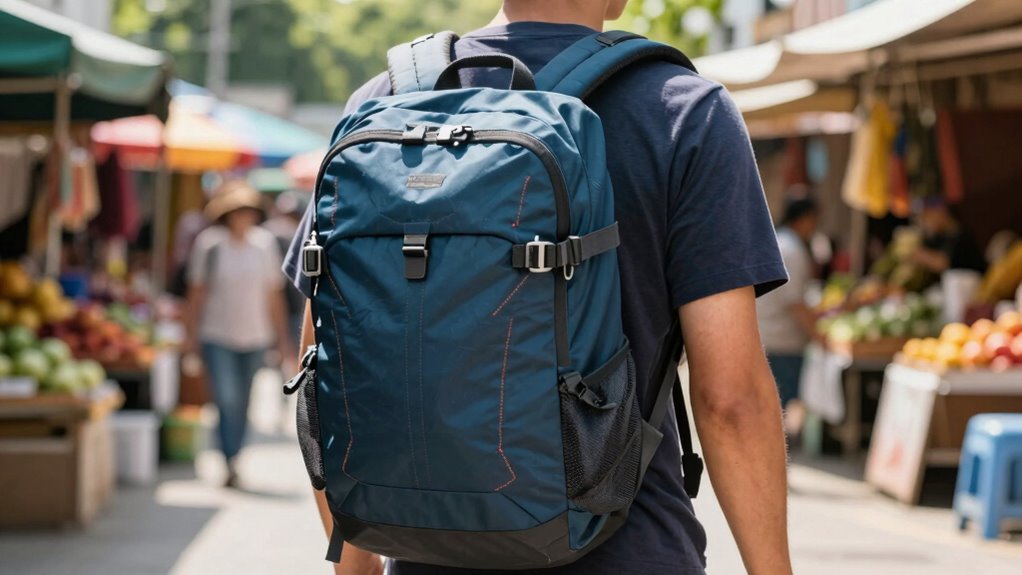
To prevent back pain and enhance comfort, look for backpacks with adjustable, padded shoulder straps that evenly distribute weight across your shoulders. An ergonomic design is essential, as it contours to your body, reducing strain during long carries. Features like padded lumbar support and a well-ventilated back panel help improve airflow and comfort. Modern padding technology ensures the padding stays supportive yet lightweight, minimizing pressure points. A backpack with a padded hip belt can transfer some weight to your hips, relieving your back. These features work together to boost comfort and prevent discomfort or injury, especially during extended use. Prioritize a backpack with thoughtful ergonomic details and advanced padding technology to keep your back happy on every adventure.

PFEYRPK Lightweight Compression Packing Cubes for Suitcases, Compressible Expandable Travel Packing Organizer with Clear Toiletries and Backpack Bag, Travel Essentials for Carry on Luggage 7 Set
【Selected High Quality Materials】The compression packing cube set is made of 210D Nylon three-part fabric with PU waterproof…
As an affiliate, we earn on qualifying purchases.
As an affiliate, we earn on qualifying purchases.
How to Choose the Right Size and Capacity for Your Trip
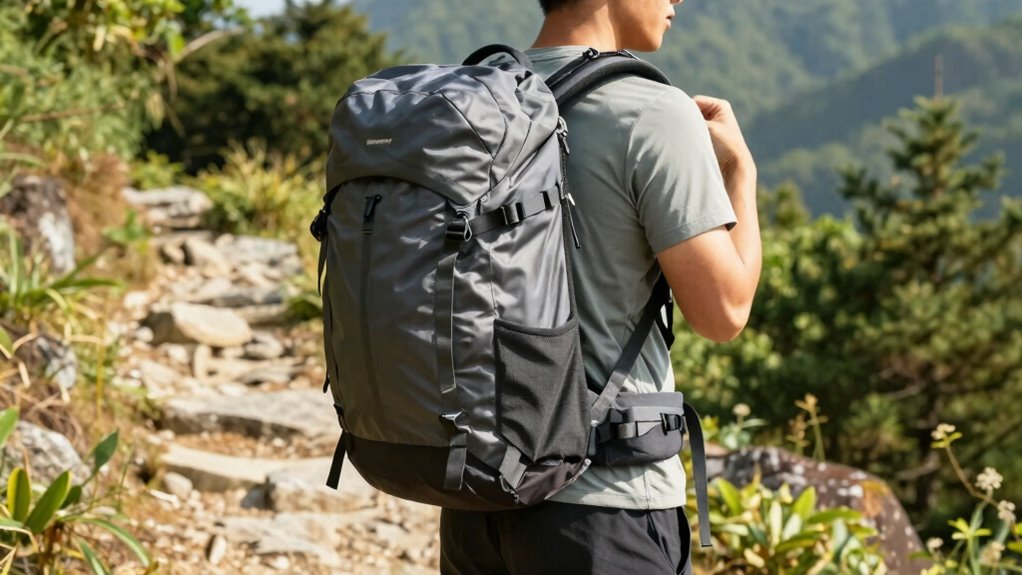
Choosing the right size and capacity depends on how long your trip is and what you’ll need to carry. A smaller bag works better for a weekend getaway, while longer trips require more space for essentials. Consider your trip duration and packing style to find the perfect fit for your adventure. Additionally, understanding content formats can help you organize your belongings more efficiently.
Optimal Bag Capacity
Selecting the right backpack capacity guarantees you won’t be stuck with a bag that’s too bulky or too small for your trip. To find your ideal size, consider how much gear you need to carry daily without overloading. Look for options with a variety of color options so you can match your style and make your bag easy to spot. Also, choose brands with a strong reputation for quality and durability, ensuring your pack can handle the journey. A pack that’s too large can be cumbersome, while one that’s too small might leave you unprepared. Aim for a capacity that balances space and comfort, giving you enough room for essentials without feeling heavy or awkward to carry. Additionally, reviewing best anime movies can inspire you to pick a backpack that fits your interests and personality.
Trip Duration Considerations
When planning for your trip, the length of your journey plays a key role in determining the right backpack size. For short getaways, a compact bag with a capacity of 20-30 liters should suffice. Longer trips require larger packs, around 40-60 liters, to hold enough clothing and essentials. Consider these tips:
- Use packing cubes to organize items efficiently, maximizing space and reducing bulk.
- Opt for backpacks with secure security features, like lockable zippers, to keep your belongings safe during extended travel.
- Think about ease of access—choose a size that allows you to quickly retrieve essentials without overstuffing.
- Be mindful of media literacy to evaluate online reviews and ensure you’re selecting a reliable and functional backpack.
Matching your backpack size to trip duration ensures comfort and convenience, preventing you from feeling weighed down or underprepared.
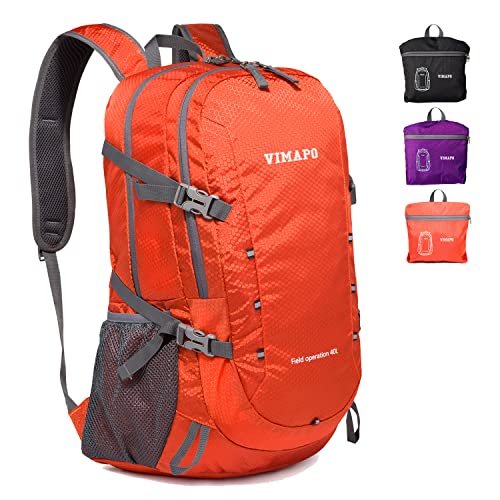
vimapo Lightweight Foldable Hiking Backpack 40L, Ripstop Nylon Packable Travel Daypack, Collapsible Backpack For Traveling Hiking Camping Touring(Orange)
【 Ultra Light & Foldable】- This folding backpack has a capacity of up to 40 liters and weighs…
As an affiliate, we earn on qualifying purchases.
As an affiliate, we earn on qualifying purchases.
Best Materials for Durable and Lightweight Travel Backpacks
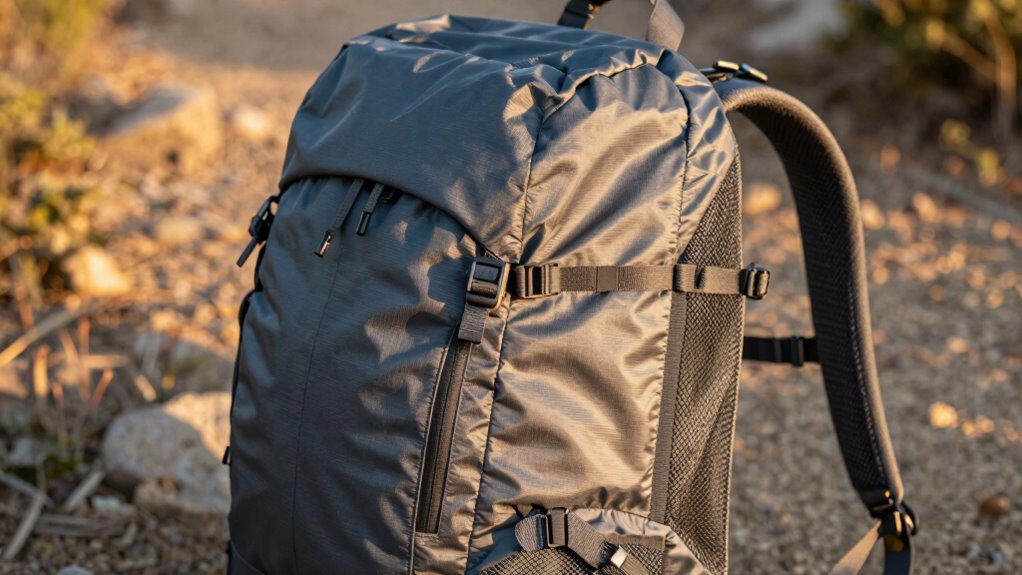
Choosing the right materials can make your backpack both strong and lightweight, so it lasts through your trips. Materials with high strength and flexibility guarantee durability without adding unnecessary weight. Modern weight reduction technologies also help you carry more comfortably without sacrificing quality. Additionally, understanding decoding slang can help you better navigate and communicate during your travels.
Material Strength and Flexibility
The durability and weight of your travel backpack largely depend on the materials it’s made from. You want fabrics that balance strength and flexibility to handle daily wear without feeling stiff or bulky. Look for materials like nylon or polyester, which offer excellent fabric breathability and keep your gear ventilated. These fabrics are also known for color durability, meaning they resist fading despite frequent washing or exposure to sunlight. Additionally, choosing materials with good indoor air quality properties can help prevent odors and mold buildup inside your pack during extended use.
Consider these options:
- Ripstop nylon – lightweight, tear-resistant, flexible, and breathable.
- Polyester blends – durable, resistant to shrinking, with good fabric breathability.
- Ballistics nylon – high strength and flexibility, perfect for heavy loads.
Choosing the right material guarantees your backpack remains resilient, comfortable, and stylish on all your adventures.
Weight Reduction Technologies
Modern lightweight materials have revolutionized travel backpacks, allowing you to pack more without adding unnecessary bulk. Advanced fabrics like ripstop nylon and Dyneema® offer durability while keeping weight low. Some backpacks feature integrated solar panels, so you can charge devices on the go, reducing the need for extra gadgets. Hydration systems built into the pack ensure easy access to water, eliminating heavy bottles. Here’s a quick comparison:
| Material | Weight (per sq yard) | Special Features |
|---|---|---|
| Ripstop nylon | 2.5 oz | Tear-resistant |
| Dyneema® | 1.8 oz | Ultra-strong, lightweight |
| Polyester | 3.0 oz | Cost-effective |
| Carbon fiber | 1.2 oz | Extremely strong |
| Solar panels | Varies | Power devices, eco-friendly |
In addition, innovative material technologies continue to advance, making backpacks lighter and more durable than ever, so you can travel comfortably without the weight of traditional gear.
How to Adjust Straps and Fit for Maximum Comfort
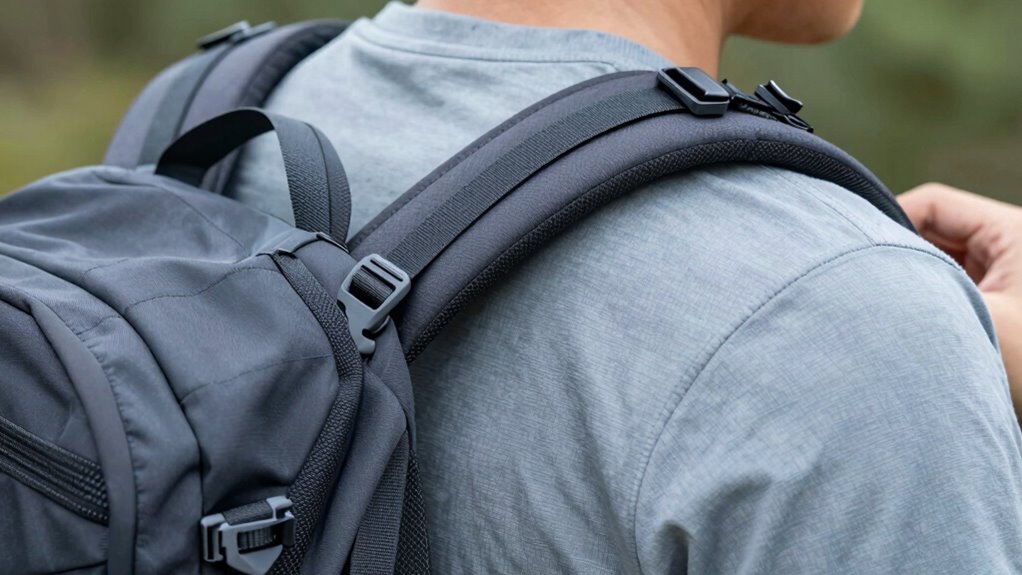
Have you ever felt discomfort after just a short walk with your backpack? Proper strap adjustment and fit customization make all the difference. To guarantee maximum comfort, follow these steps:
- Start by loosening all straps, then put on the backpack. Gradually tighten the shoulder straps until they fit snugly but don’t pinch or press uncomfortably.
- Adjust the sternum strap to stabilize the pack and prevent shifting. It should sit comfortably across your chest.
- Finally, tweak the hip belt so it rests on your hips, not your waist or stomach, transferring weight evenly.
- Remember, an ergonomic fit helps prevent fatigue and discomfort during your travels.
Tips for Packing Light and Staying Organized
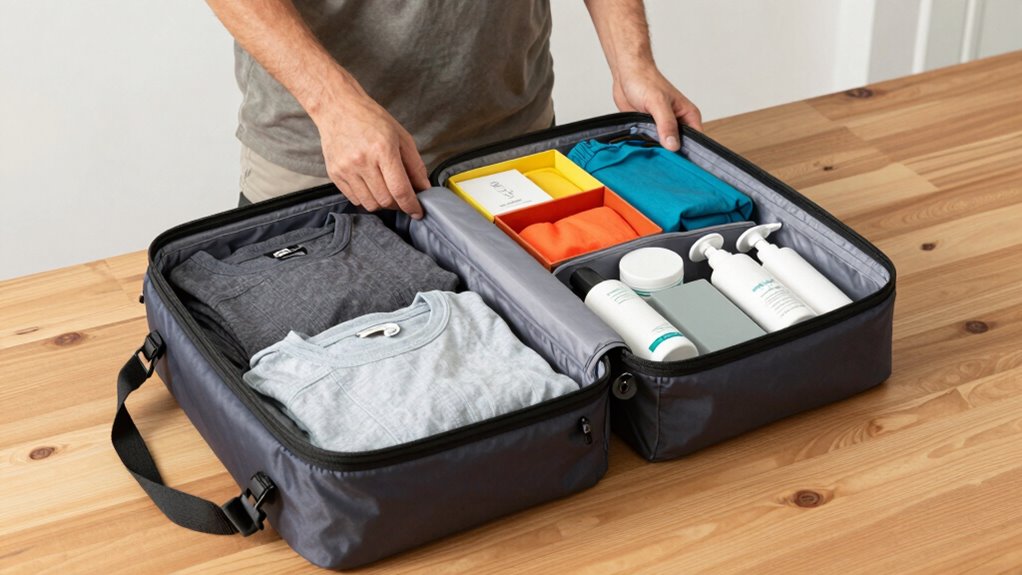
To pack light and stay organized, focus on choosing versatile clothing that can be mixed and matched for multiple outfits. Use packing techniques like rolling clothes tightly to save space and reduce wrinkles. Incorporate organizational tools such as packing cubes or folders to compartmentalize your items, making it easy to find what you need quickly. Limit yourself to essentials and avoid overpacking by planning outfits ahead of time. Keep toiletries in a small, leak-proof bag, and store electronics and chargers in separate compartments. A well-organized backpack helps you access items efficiently and prevents unnecessary bulk. Additionally, understanding the importance of color accuracy can help you select clothing in neutral tones that match easily and stay looking fresh. By applying these packing techniques and using effective organizational tools, you’ll stay light on your feet and ready for anything your trip throws at you.
Common Mistakes That Turn a Good Backpack Into a Burden
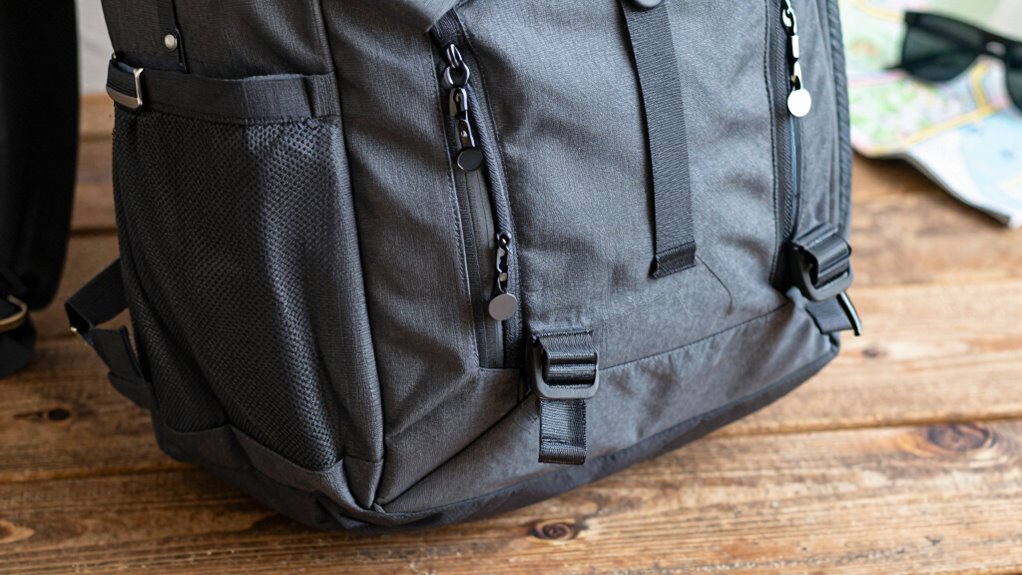
Even the best backpack can become a burden if you make common mistakes while packing or organizing. Overloading it with unnecessary items or ignoring packing essentials can cause discomfort. Poor organization leads to wasted space and frustration. Here are three mistakes to avoid:
Avoid overloading and poor organization to keep your backpack lightweight and comfortable.
- Not prioritizing packing essentials—bring only what you need to prevent overload.
- Ignoring color coordination—using similar-colored packing cubes or clothes helps find items quickly.
- Overpacking with bulky clothes or accessories that aren’t versatile, adding unnecessary weight.
- Failing to consider household organization principles, which can help keep your packing systematic and efficient.
These habits can turn a lightweight, functional backpack into a burden. Focus on essentials, organize with color in mind, and pack smartly to keep your travel experience smooth and comfortable.
Top Travel Backpack Recommendations for Different Travelers
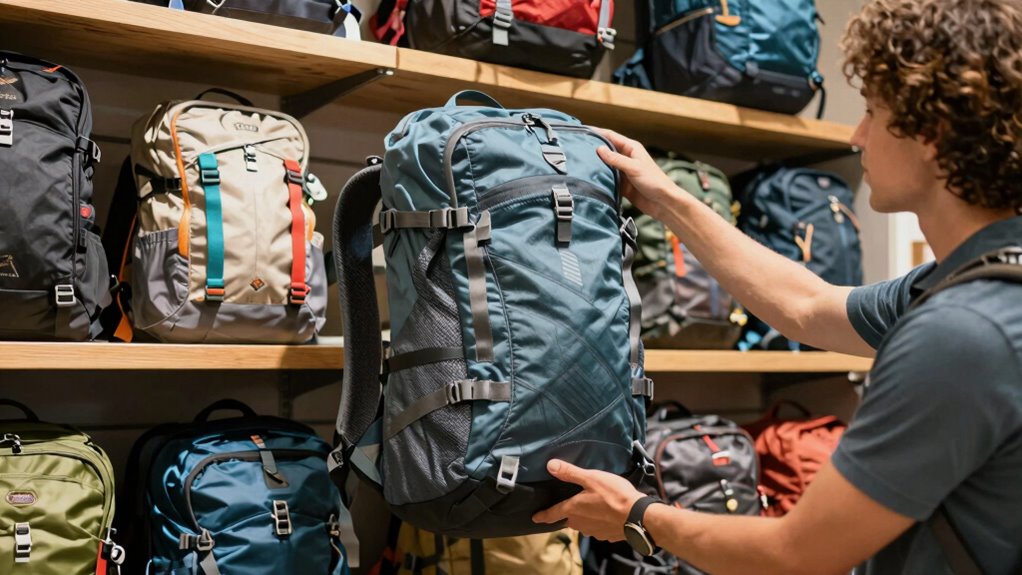
Choosing the right travel backpack depends on your specific needs and travel style. Whether you’re a city explorer, outdoor adventurer, or frequent traveler, selecting a backpack that matches your journey makes all the difference. Consider your travel fashion sense—sleek designs for business trips or rugged styles for outdoor trips. Proper backpack maintenance keeps your gear in top shape and extends its lifespan. Here’s a quick guide:
| Traveler Type | Recommended Backpack Features | Tips for Backpack Maintenance |
|---|---|---|
| City Explorer | Compact, stylish, easy access | Clean regularly, avoid overstuffing |
| Outdoor Enthusiast | Durable, waterproof, multiple compartments | Keep dry, check zippers often |
| Business Traveler | Lightweight, sleek, laptop compartment | Store in a cool, dry place |
| Casual Backpacker | Versatile, comfortable straps | Pack smart, avoid overloading |
Frequently Asked Questions
How Do I Find a Backpack That Fits My Torso Length?
To find a backpack that fits your torso length, start by measuring your torso measurement accurately, from the base of your neck to the top of your iliac crest. Look for a pack with adjustable straps, especially shoulder and hip belts, so you can customize the fit. Try on different models, adjusting the straps until the pack sits comfortably, distributing weight evenly and preventing strain during your travels.
Are There Specific Backpacks Designed for Different Travel Climates?
Yes, there are backpacks designed for different travel climates. Look for features like packing organization suited to your destination, such as multiple compartments or waterproof materials for rainy environments. Consider material durability to withstand humidity, rough terrains, or intense sun. Choosing a backpack with climate-specific features guarantees your gear stays protected, and packing remains efficient, making your travel experience easier and more comfortable no matter where you go.
How Does Weight Distribution Affect Backpack Comfort During Long Walks?
Like a trusty steed, your backpack’s weight distribution greatly impacts comfort on long walks. You’ll want one with an ergonomic design that evenly spreads weight across your shoulders and hips. When the load is balanced, you avoid strain and fatigue, making your journey more enjoyable. Proper weight distribution prevents your pack from pulling you backward or sideways, ensuring you stay agile and comfortable, even after hours on your feet.
Can I Use a Carry-On Backpack for All Types of Trips?
You can use a carry-on backpack for most trips, but consider your packing style. Use packing cubes to organize your clothes efficiently and waterproof materials to protect your belongings from rain. Make sure the backpack complies with airline size limits and offers comfortable straps. If you’re traveling longer or need extra space, you might want a larger pack. Otherwise, a well-packed carry-on with these features keeps your trip hassle-free.
What Security Features Should I Look for in a Travel Backpack?
Think of your backpack as a fortress for your valuables. Look for lockable zippers to keep prying hands at bay and RFID blocking features to thwart digital pickpockets. These security features act like an invisible shield, giving you peace of mind as you explore bustling streets or quiet trails. Prioritizing these options guarantees your belongings stay safe, so you can focus on the adventure ahead without worry.
Conclusion
Choosing the right travel backpack is key to enjoying your trip without feeling weighed down. Focus on comfort, fit, and packing smart to make your journey smoother. Remember, a well-chosen pack can be your best travel buddy—don’t let it become your burden. Keep these tips in mind, and you’ll be able to carry your essentials with ease. After all, the right gear can make all the difference in turning a good trip into a great adventure.